
What began as a regular training session turned into tragedy for 17-year-old Australian cricketer Ben Austin, who died after being struck on the neck by a ball during practice in Melbourne. The freak accident has reignited global conversations on player safety and the importance of using complete protective gear — especially for young players training in academies around the world.
Austin was training in the nets at Ferntree Gully on October 28 when he was hit by a delivery launched from a handheld bowling device. Although he was wearing a helmet, he did not have a neck guard, and the ball struck him just below the protective rim. He was rushed to hospital and placed on life support but died two days later, leaving Australia’s cricket community in shock.
In a statement, his father, Jace Austin, said the family was “utterly devastated” and thanked the local cricket community for its support. “This tragedy has taken Ben from us, but we find comfort that he was doing something he loved — going down to the nets with mates to play cricket,” he said.
Cricket Victoria’s chief executive Nick Cummins said the accident was “heartbreaking” and bore similarities to the one that claimed the life of Australian Test batter Phillip Hughes in 2014. Hughes, who was struck on the neck by a rising delivery during a domestic match in Sydney, suffered a vertebral artery dissection and passed away two days later. His death led to significant improvements in helmet design and the introduction of stem guards to protect the vulnerable area at the base of the skull.
“The ball hit Ben in the neck in a similar way to what happened with Phil Hughes ten years ago,” Cummins told local media. “It’s a devastating reminder that the game must constantly evolve in terms of safety.”
The tragedy has sparked renewed awareness across cricket academies worldwide. In the UAE, where thousands of young players train throughout the year, coaches are once again emphasising the importance of using neck guards, chest pads, and other protective equipment even during practice sessions.
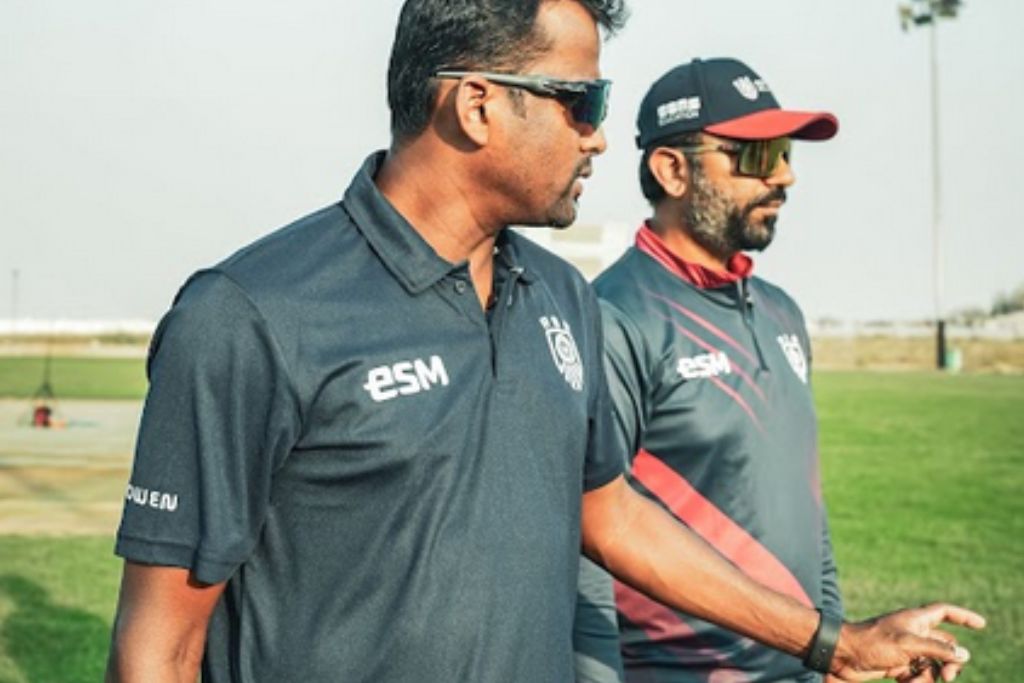
At Robin Singh Relations (RSR) Cricket Academy, head coach Rejith Arjun and his team continue to educate students about safety measures and ensure all players wear complete protective gear, whether in matches or net sessions. The academy also promotes awareness about the correct use of helmets and the importance of being alert at all times in the nets.
“Health and safety are paramount for both children and coaches. It is the responsibility of the coaching staff to ensure that every player is wearing the required protective gear before entering the playing area. Regular checks of the nets, facilities, and equipment are essential to address safety concerns well in advance,” Rejith said.
“From the players’ side, they must remain vigilant and keep themselves protected at all times.”
As the cricketing world mourns another young life lost, the incident serves as a sobering reminder that safety must never be taken for granted. Whether it is in Melbourne, Dubai, or any part of the world, ensuring the well-being of every aspiring cricketer must remain the game’s highest priority.
n cricketer Ben Austin, who died after being struck on the neck by a ball during practice in Melbourne. The freak accident has reignited global conversations on player safety and the importance of using complete protective gear — especially for young players training in academies around the world.
Austin was training in the nets at Ferntree Gully on October 28 when he was hit by a delivery launched from a handheld bowling device. Although he was wearing a helmet, he did not have a neck guard, and the ball struck him just below the protective rim. He was rushed to hospital and placed on life support but died two days later, leaving Australia’s cricket community in shock.
In a statement, his father, Jace Austin, said the family was “utterly devastated” and thanked the local cricket community for its support. “This tragedy has taken Ben from us, but we find comfort that he was doing something he loved — going down to the nets with mates to play cricket,” he said.
Cricket Victoria’s chief executive Nick Cummins said the accident was “heartbreaking” and bore similarities to the one that claimed the life of Australian Test batter Phillip Hughes in 2014. Hughes, who was struck on the neck by a rising delivery during a domestic match in Sydney, suffered a vertebral artery dissection and passed away two days later. His death led to significant improvements in helmet design and the introduction of stem guards to protect the vulnerable area at the base of the skull.
“The ball hit Ben in the neck in a similar way to what happened with Phil Hughes ten years ago,” Cummins told local media. “It’s a devastating reminder that the game must constantly evolve in terms of safety.”
The tragedy has sparked renewed awareness across cricket academies worldwide. In the UAE, where thousands of young players train throughout the year, coaches are once again emphasising the importance of using neck guards, chest pads, and other protective equipment even during practice sessions.
At Robin Singh Relations (RSR) Cricket Academy, head coach Rejith Arjun and his team continue to educate students about safety measures and ensure all players wear complete protective gear, whether in matches or net sessions. The academy also promotes awareness about the correct use of helmets and the importance of being alert at all times in the nets.
“Health and safety are paramount for both children and coaches. It is the responsibility of the coaching staff to ensure that every player is wearing the required protective gear before entering the playing area. Regular checks of the nets, facilities, and equipment are essential to address safety concerns well in advance,” Rejith said.
“From the players’ side, they must remain vigilant and keep themselves protected at all times.”
As the cricketing world mourns another young life lost, the incident serves as a sobering reminder that safety must never be taken for granted. Whether it is in Melbourne, Dubai, or any part of the world, ensuring the well-being of every aspiring cricketer must remain the game’s highest priority.